Categories
Close
Menu
Menu
Close
Search
Search

Featured Articles

RSS
123

Opinion Articles

Opinion

Mobile & Contactless Payments

Mark

Share:

Print

Rate article:

No rating
Rate this article:
No rating

James Rosewell offers his opinion on the current state of mobile and contactless payments.

The banking and mobile industries have big plans for Near Field Communication (NFC) as the mobile payment mechanism of the future. Barclaycard has been leading the way from the credit card sector forming a partnership with Orange, having previously worked with O2, and running a catchy TV advert prompting contactless cards using VISA’s paywave system.

However the reality of NFC payments appears a lot further away. The Point of Sale (POS) technology appears to be badly deployed by some of the first-phase retailers mainly made up of low-value high-volume businesses like coffee shops, fast food outlets and newsagents. The picture below typifies the deployments we’ve seen with the contactless reader hidden from sight.
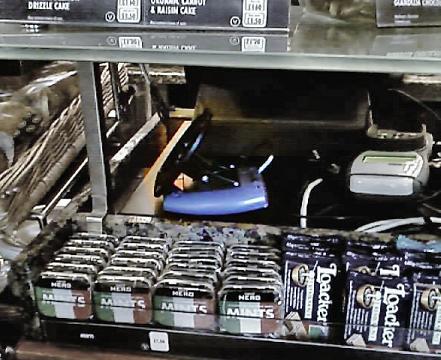
NFC reader in a London coffee shop

[An NFC reader on its front at a popular coffee shop in London]

The customer needs to remember their card will support NFC and spot the payment device or ask the retailer. The retailer isn’t promoting the service or helping establish new customers.

Current deployment seems limited with mainstream retailers slow on the uptake. Looking at VISA’s web site provides some insight. The maximum contactless payment amount is £10 and the main advantages explained to potential retailers are speed of transaction, less till errors plus ease of installation and security. Given the incumbent payment mechanism of choice is cash, the retailer’s primary motive to move to contactless technology will be lower costs; either because contactless is cheaper than handling cash or they have so many sub-£10 card payments they can negotiate a better deal from their bank. This seems to be missing from VISA’s list of advantages. Cash may be cumbersome and error prone but it is proven and doesn’t present enough of a problem for most retailers to warrant investing in new POS equipment. This is especially true given the recession and retailers’ recent poor experiences deploying Chip and Pin. Unlike Chip and Pin, the deployment of NFC isn’t mandated by a regulator or governing body.

Until these problems are solved, the mobile industry is unlikely to invest in NFC capable handsets and technologies beyond trials for marketing or shareholder perception purposes. Telcos are well advised to focus their energies elsewhere. Helping the banking sector use mobile devices for secure Two Factor Authentication saving banks a fortune on device deployment & management or using other payment solutions addressing disintermediation in addition to sub £10 retailer transactions are just two great examples.

Comments

Collapse Expand Comments (0)
You don't have permission to post comments.

Recent Podcasts

ExclusiveJohan Lodenius of MediaTek talks about wearable devices, smartphone evolution and the importance of driving costs down

This year's Mobile World Congress was notable for the number of product launches by handset manufacturers. To get a better understanding of smartphone manufacturing, we spoke to Johan Lodenius of semiconductor company MediaTek.

He gave us a simple overview of how 'fabless' manufacturing works, discussed developments in smartphones and wearable devices, contemplated the end of the PC era and talked about the importance of driving costs down.

ExclusiveMobile payments, new smartphones, wearable devices, connected cars, CeBIT and David Cameron

This week's programme opens with a quick look at David Cameron's commitment to 5G technology and the Internet of Things, which was made in a speech at CeBIT.

Iain and Mark then move on to talk about the other big mobile news headlines from the past few days, including the forthcoming Paym m-payment service, new HTC and LG smartphones, the growth of Chinese handset manufacturers, wearable devices, in-car connectivity and damaged iPhones.

ExclusiveThe rise of OTT messaging and the future of SMS: we talk to Stacy Adams of mBlox

Messaging was very much on the agenda at Mobile World Congress this year, following Facebook's announcement that it was planning to acquire WhatsApp in a 19 billion dollar deal. So if the future for this type of internet-based 'over the top' messaging service looks good, what does this mean for SMS?

To find out more, we spoke to Stacy Adams of mBlox to learn what was happening in the messaging world, to find out how SMS is being integrated with mobile apps - and to discover some of the other ways SMS was being used by businesses today.

ExclusiveWe talk about 4G LTE coverage and device sensors with OpenSignal at Mobile World Congress

Even at Mobile World Congress, the relevance of the mobile network operator can sometimes be forgotten. So for a different perspective on this year's event, we spoke to Samuel Johnston from British mobile crowd-sourcing firm OpenSignal.

Samuel discussed the announcements from MWC14 and OpenSignal's latest report into 4G LTE coverage around the world, as well as giving us an exclusive insight into OpenSignal's next research subject.

RSS
First567810121314Last

Follow thefonecast.com

Archive Calendar

«May 2026»
MonTueWedThuFriSatSun
27282930123
45678910
11121314151617
18192021222324
25262728293031
1234567

Archive