James Rosewell offers his opinion on the current state of mobile and contactless payments.
The banking and mobile industries have big plans for Near Field Communication (NFC) as the mobile payment mechanism of the future. Barclaycard has been leading the way from the credit card sector forming a partnership with Orange, having previously worked with O2, and running a catchy TV advert prompting contactless cards using VISA’s paywave system.
However the reality of NFC payments appears a lot further away. The Point of Sale (POS) technology appears to be badly deployed by some of the first-phase retailers mainly made up of low-value high-volume businesses like coffee shops, fast food outlets and newsagents. The picture below typifies the deployments we’ve seen with the contactless reader hidden from sight.
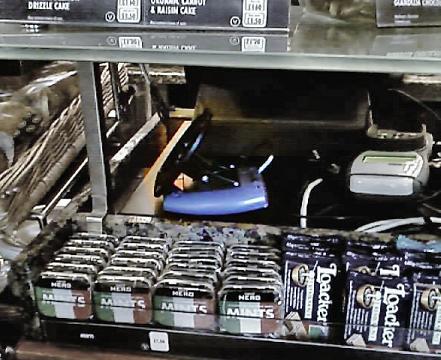
[An NFC reader on its front at a popular coffee shop in London]
The customer needs to remember their card will support NFC and spot the payment device or ask the retailer. The retailer isn’t promoting the service or helping establish new customers.
Current deployment seems limited with mainstream retailers slow on the uptake. Looking at VISA’s web site provides some insight. The maximum contactless payment amount is £10 and the main advantages explained to potential retailers are speed of transaction, less till errors plus ease of installation and security. Given the incumbent payment mechanism of choice is cash, the retailer’s primary motive to move to contactless technology will be lower costs; either because contactless is cheaper than handling cash or they have so many sub-£10 card payments they can negotiate a better deal from their bank. This seems to be missing from VISA’s list of advantages. Cash may be cumbersome and error prone but it is proven and doesn’t present enough of a problem for most retailers to warrant investing in new POS equipment. This is especially true given the recession and retailers’ recent poor experiences deploying Chip and Pin. Unlike Chip and Pin, the deployment of NFC isn’t mandated by a regulator or governing body.
Until these problems are solved, the mobile industry is unlikely to invest in NFC capable handsets and technologies beyond trials for marketing or shareholder perception purposes. Telcos are well advised to focus their energies elsewhere. Helping the banking sector use mobile devices for secure Two Factor Authentication saving banks a fortune on device deployment & management or using other payment solutions addressing disintermediation in addition to sub £10 retailer transactions are just two great examples.