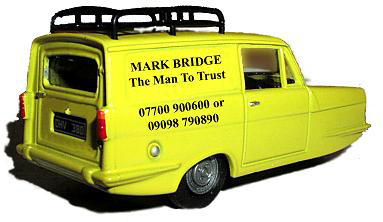
Mark Bridge writes:
In last weekend’s Sunday Times, Ali Hussain asked "Is this the end for the landline phone?"
He pointed out that the average mobile bill almost halved between 2003 and 2008, while landline bills fell by less than a fifth – which has meant the average mobile bill is now lower than the average landline bill. He went on to list fibre-optic broadband, mobile broadband, mobile calls, VoIP calls and satellite phones as alternatives to using fixed-line phones.
If only life were that simple. Yes, there are alternatives to fixed-line phones... but there always have been. And some of the alternatives aren't all that practical.
First of all, mobile data costs haven’t fallen as dramatically as call costs. Sure, they’re on their way down – but out-of-bundle data usage can be painfully expensive. As can sat-phone calls.
Secondly, mobile data speeds still struggle to catch most home broadband services. And having a landline phone also guarantees you 100% coverage for calls, something even a femtocell can't always promise.
But I think the real reason the landline phone isn’t dead yet is trust. Stick a mobile number on the side of your trade van – especially if you use magnetic signage – and many people will label you a fly-by-night. Print a mobile number on your business card without adding a landline and you might as well print it on toilet paper, according to some business people. It's one of the reasons (apart from cost) that non-geographic numbers are unpopular. No landline equates to "no fixed abode".
Much of this trust and mistrust is misplaced, mind you. Skype is one of many telecom companies that’ll sell you a geographical ‘landline’ number without you needing to even set foot in your chosen town. I can have a virtual office in central London – and San Francisco – without getting out of bed. Yet we still trust landlines ahead of mobiles.
Having said all that, most of today’s first-time mobile buyers don’t think of telephone lines as things to trust. Instead they're a barely-necessary utility. And before too long we won’t be dragging numbers around with us, either. We’ll have dot.tel domains or something similar that’ll route calls to our chosen device wherever we are and whatever we're using.
Even at that point, the landline phone won’t reach the end of the line. (Sorry, couldn’t resist it). But it will become invisible. And that’s something the mobile phone companies need to be ready for as well. Meanwhile, the landline has definitely faded - but, like the Cheshire Cat's smile - its number remains.